Recovery System Pressure, bubbles, and lift

Compressed-Air Lift

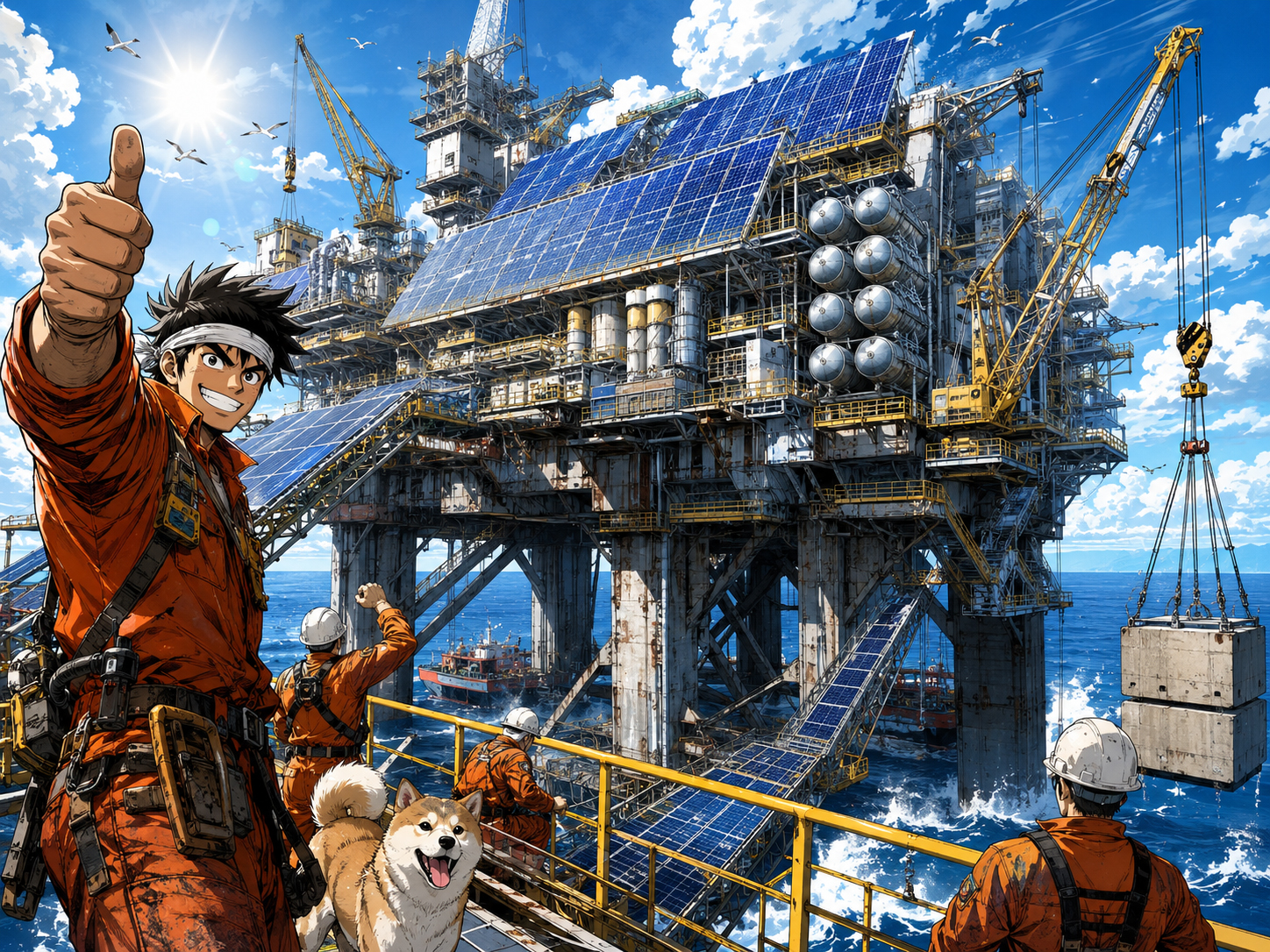
The Solar Power Rig’s recovery idea: use solar power to compress air, store pressure, and help control or lift underwater equipment after gravity has done its work.

The simple explanation

Solar makes electricity. Electricity makes pressure. Pressure helps with lift.

The compressed-air lift system is the companion to the gravity-block concept. Gravity is good at pulling a heavy block down. The question is what happens after the block has dropped. How does the system control it, recover it, reset it, or assist movement underwater?

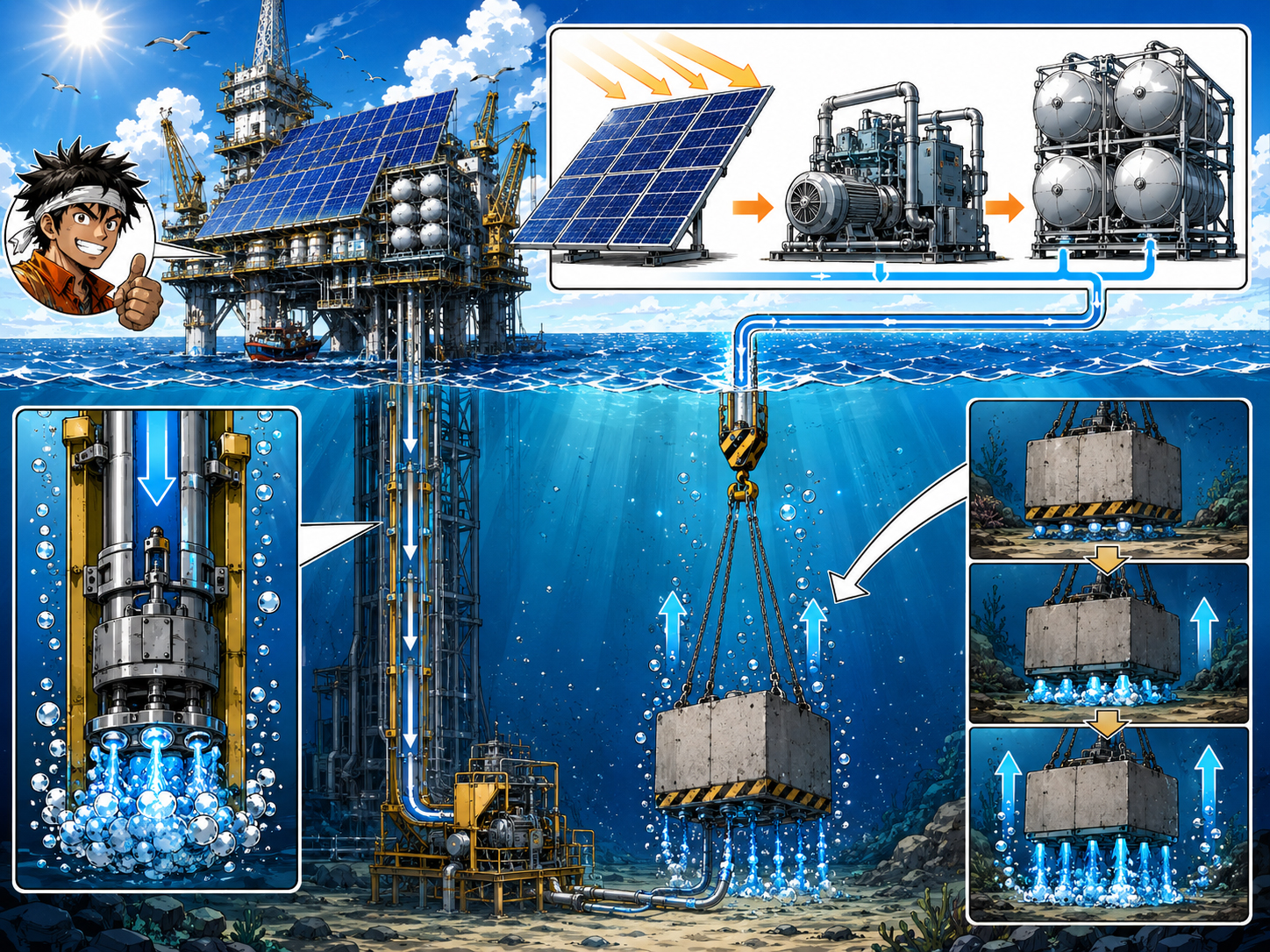
In the Solar Power Rig manga universe, the answer is compressed air. Solar panels on the old offshore rig power compressors. The compressors fill pressure tanks. That stored air can then be sent through pipes, hoses, valves, lift chambers, or underwater equipment to help manage buoyancy and recovery.

Solarjack calls it “putting the sun in a tank.” The engineer calls that phrase “not technically acceptable, but emotionally useful.”
Why compressed air?

Air is invisible until the roughnecks turn it into bubbles.

Compressed air makes the storage story more physical. It gives the rig a way to talk about pressure, lift, recovery, valves, tanks, hoses, and underwater control. That is perfect for a manga about workers who understand machinery better than slogans.

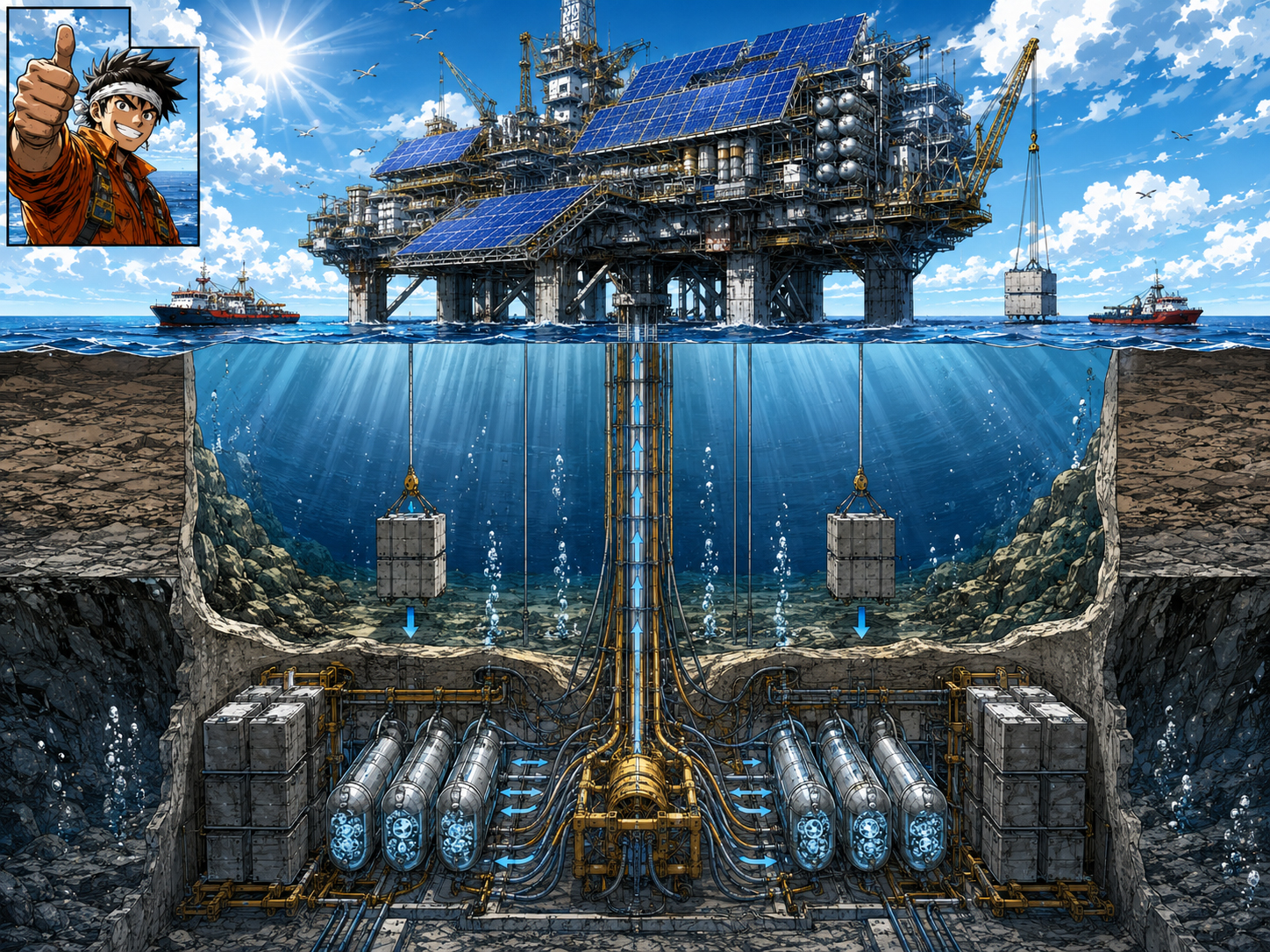
Solar compressors Pressure tanks Valves Air lines Lift assist Recovery cycle
Manga technical diagram of the compressed-air lift system
The recovery cycle

How compressed air helps the Solar Power Rig reset the machine.

The manga system uses compressed air as the helper system. It does not replace gravity. It works with gravity, cables, controls, and machinery to make the big underwater block easier to manage.

Solar-covered offshore oil rig converted into a power platform

1. Solar panels feed the system

When the sun is available, the rig uses solar electricity to run compressors, controls, monitoring equipment, pumps, and support systems.

Compressed-air lift system diagram

2. Compressors fill tanks

Air is compressed and stored in pressure vessels. The crew treats the tanks like giant steel muscles waiting for orders.

Ocean-floor battery cutaway with underwater equipment

3. Air travels downward

Pipes, risers, hoses, or controlled air lines send compressed air toward underwater lift equipment or buoyancy chambers.

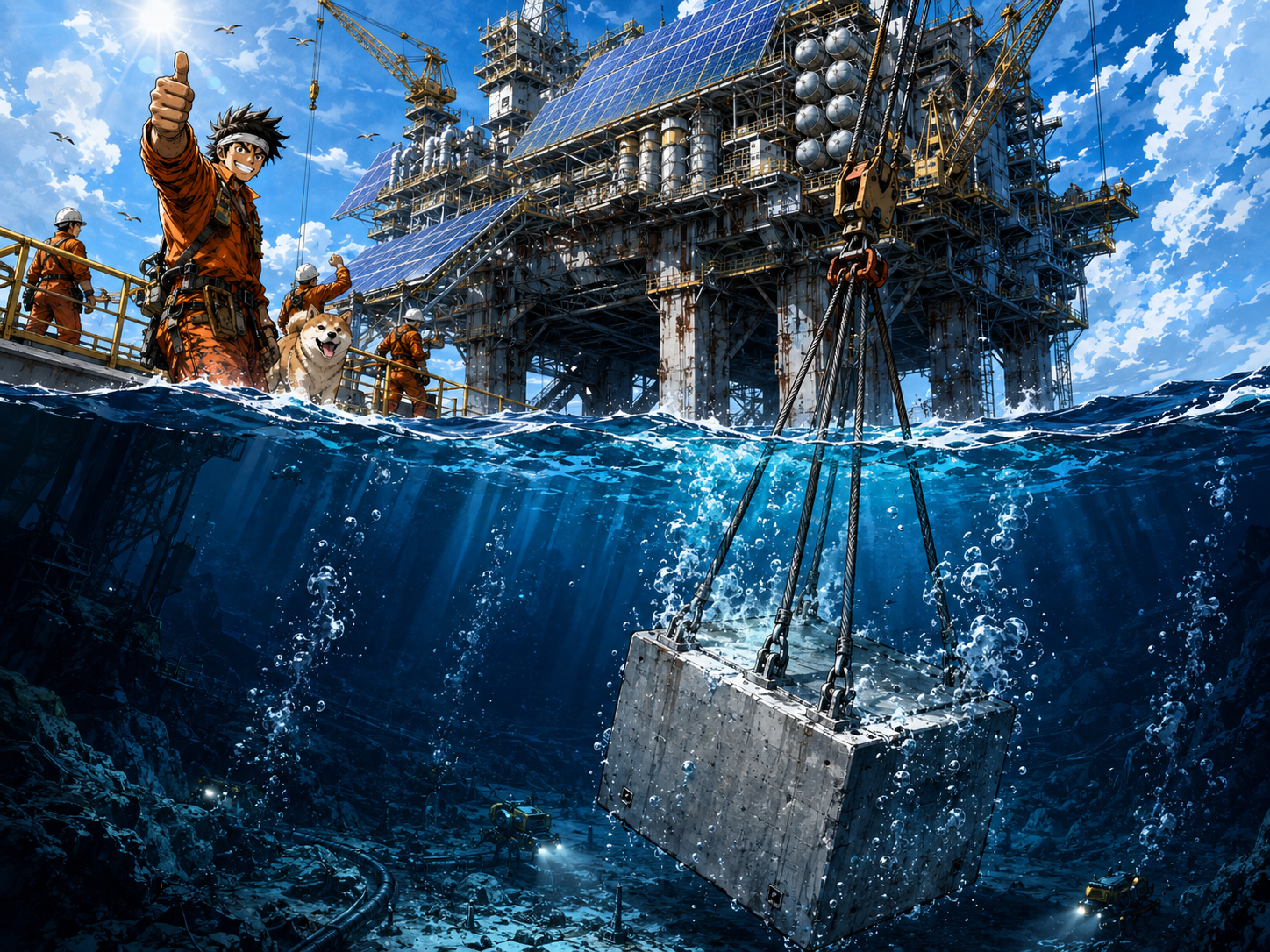
Gravity block lowering toward deep water

4. Lift assists the block

Air can help reduce the effective weight of underwater equipment, assist recovery, stabilize movement, or help reset the gravity block.

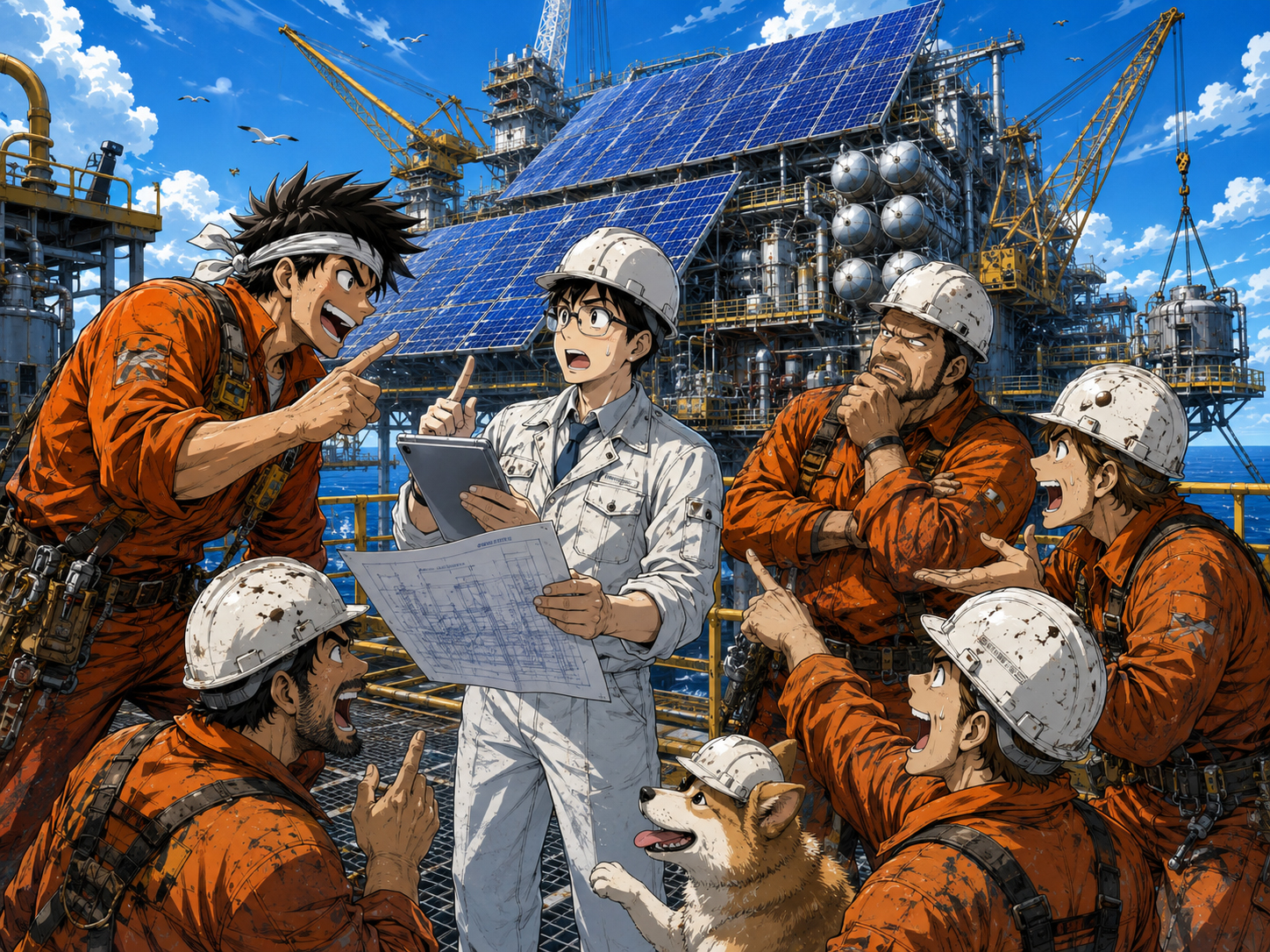
Roughneck crew arguing with a solar engineer

5. Controls keep it civilized

Valves, sensors, brakes, winches, and software prevent the system from becoming “a bubble-powered rodeo,” as the engineer puts it.

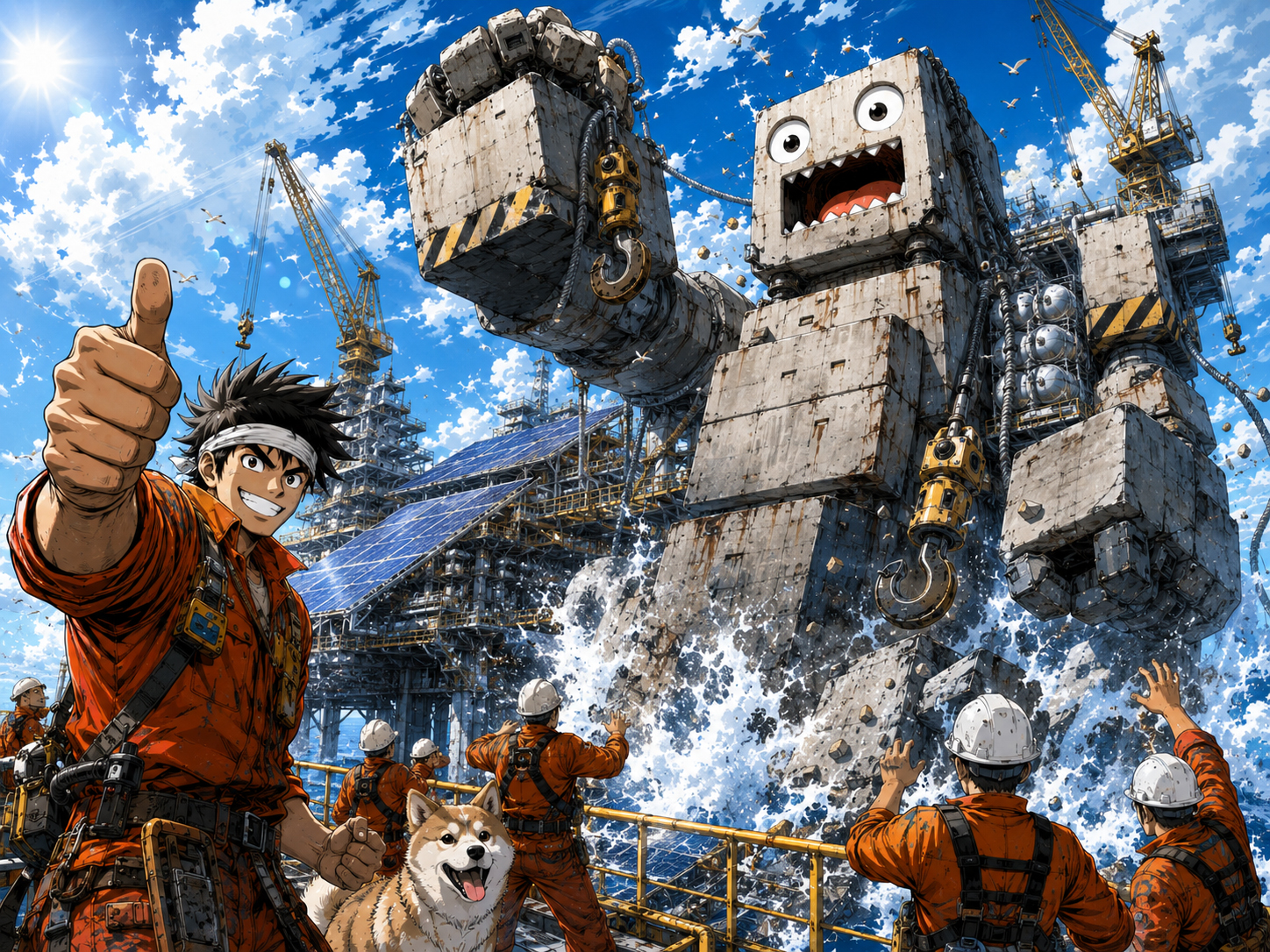
Blockzilla the gravity block monster

6. Blockzilla comes back up

The most satisfying manga moment is recovery: the giant gravity block rising again while the crew cheers and the Permit Goblin frowns.

The manga explanation

Pressure is ambition in a tank.

Solarjack’s version

“The sun spins the compressor. The compressor stuffs the air into tanks. The tanks help lift the block. The block gets another turn. That is not complicated.”

The engineer’s version

“It is extremely complicated. We need pressure ratings, valve sequencing, redundancy, relief systems, marine corrosion planning, and a written ban on calling it bubble magic.”

Business-friendly translation

Compressed air makes storage feel mechanical instead of mysterious.

For homeowners and business owners, the compressed-air lift system is useful as a teaching idea. It shows that energy can be stored in more than one way. Batteries store energy chemically. Pumped hydro stores energy by moving water uphill. Gravity systems store energy by lifting mass. Compressed-air systems store energy as pressure.

SolarPowerRig.com turns those ideas into a visible machine. The solar panels create the energy. The compressors turn some of that energy into pressure. The air system helps the heavy underwater equipment move, recover, or reset. The entire rig becomes a lesson in timing: collect energy when it is available, use it when needed, and control the system carefully.

The comedy makes the lesson easier to remember. Nobody forgets a roughneck yelling at a pressure gauge while a 2,000-foot gravity block starts bubbling.

Solar Power Rig cutaway showing underwater equipment and storage system
Recovery and control

The lift system is where the cartoon gets serious.

Dropping a block is visually dramatic. Recovering it safely is the real system. The compressed-air concept gives the manga a way to talk about controlled motion, lift assist, pressure management, sensor feedback, emergency shutdowns, and equipment redundancy without turning the page into a boring technical manual.

What could go wrong?

Pressure is useful. Pressure is also unforgiving.

That is why the compressed-air page belongs in the roughneck comedy world. Everyone on the rig respects pressure, because pressure does not care about optimism.

Roughneck crew arguing with the solar engineer on the platform
Episode idea

The Valve Nobody Named

Solarjack says the system is ready. The engineer asks which valve opens first. The deck gets very quiet.

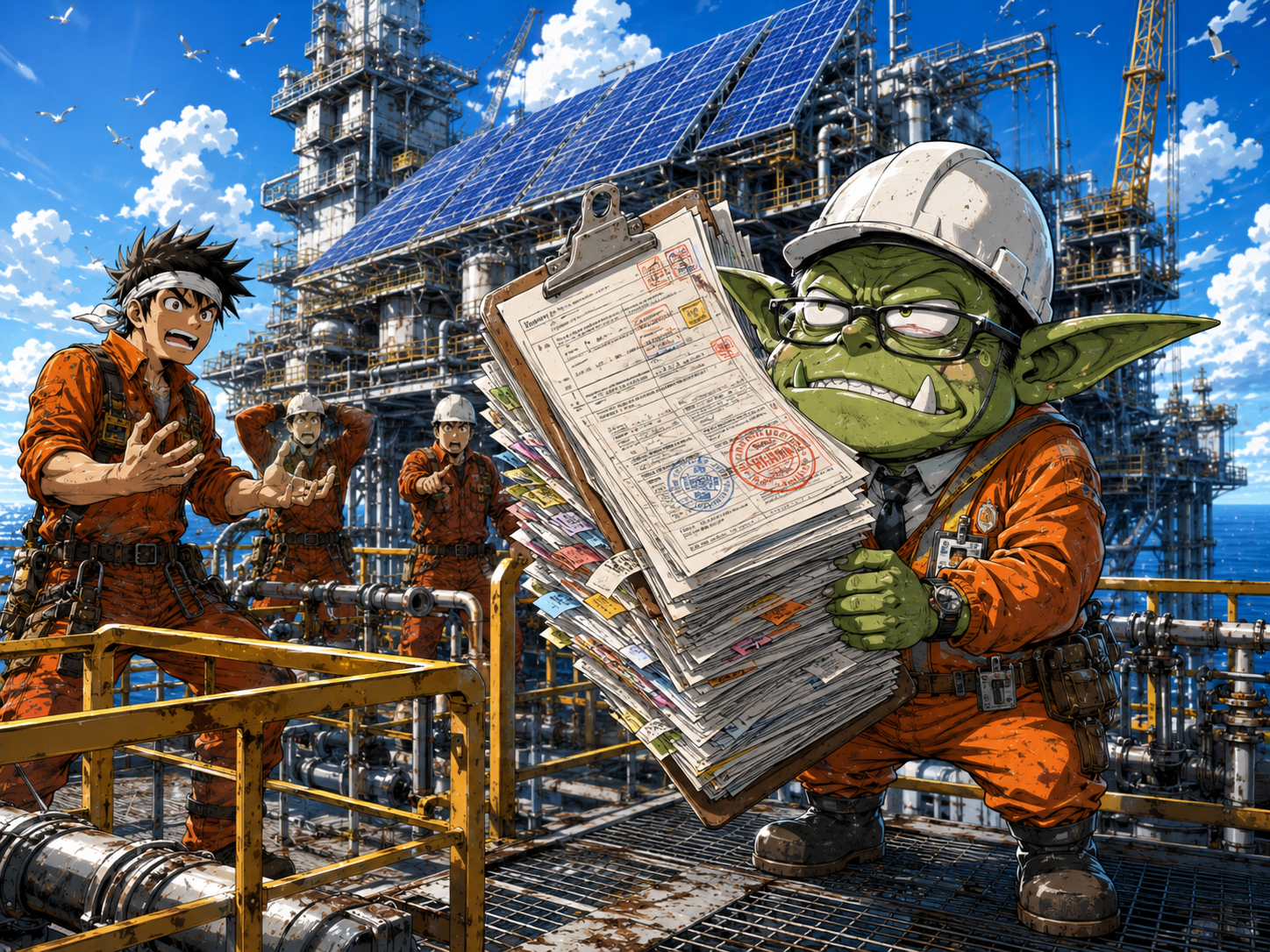
Permit Goblin Offshore Division with giant clipboard
Episode idea

The Bubble Permit

The Permit Goblin demands a form for every bubble. The crew considers switching back to oil out of exhaustion.

Safety note

Fictional manga concept, real pressure respect.

SolarPowerRig.com is fiction, not engineering instruction. A real offshore compressed-air recovery or lift system would require licensed marine engineering, pressure-vessel engineering, structural review, electrical design, controls engineering, diver and ROV safety planning, corrosion analysis, environmental review, and emergency shutdown systems.

The page makes the concept friendly, but it does not make the work simple. Compressed air can be dangerous. Offshore systems can be dangerous. Heavy underwater equipment can be dangerous. The comedy works because the roughnecks understand that machines are funny only after they are made safe.

Gravity drops the block. Compressed air helps bring the story back up.

Next, see how the ocean-floor battery concept ties the whole Solar Power Rig together: solar panels above, industrial controls in the middle, and deep-water storage below.

See the Ocean Battery