Episode 2 Gravity enters the chat

Drop the Block

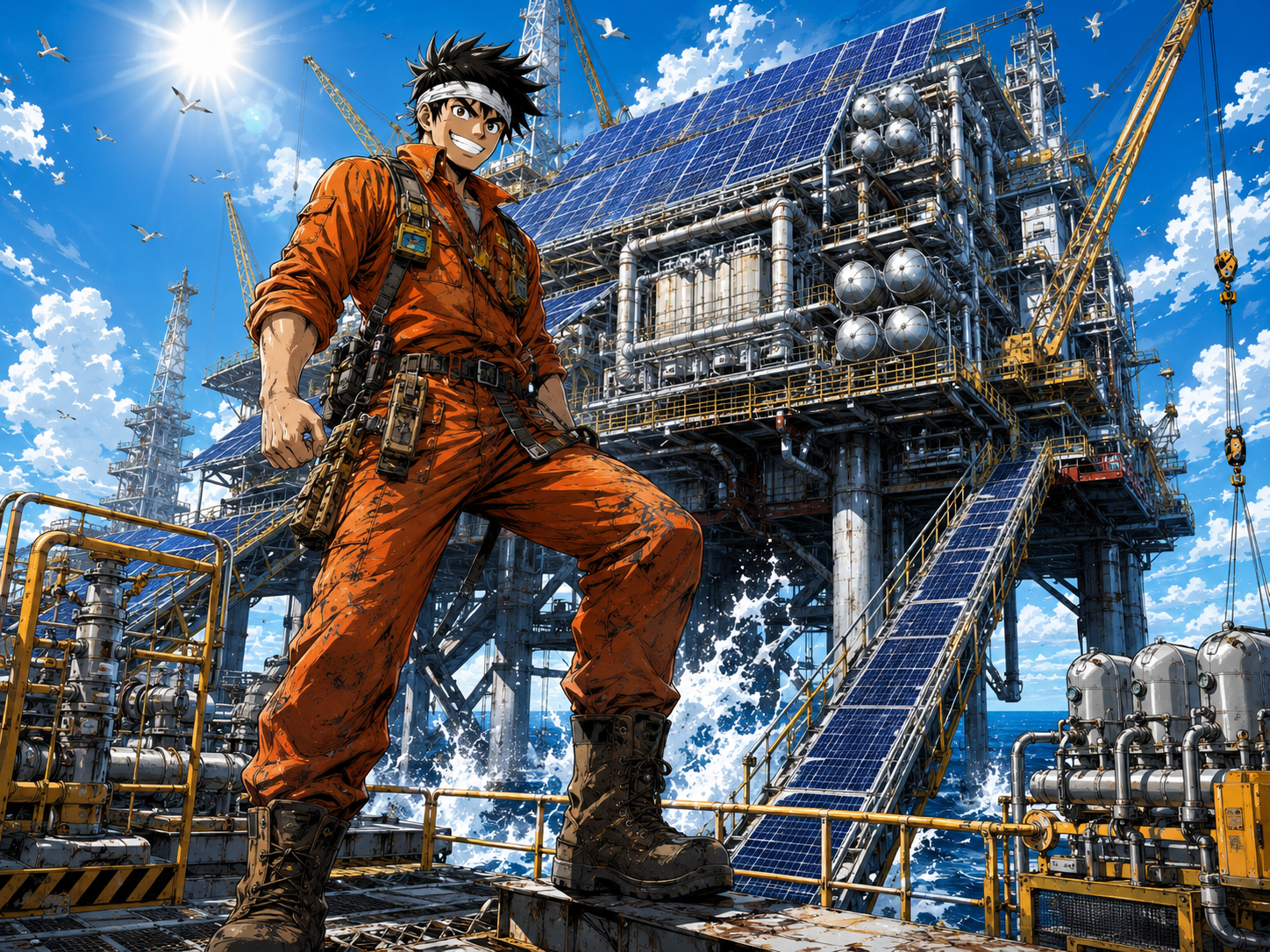
The crew performs the first test of the gravity block system. The block drops, the bubbles rise, the checklist fails, and Solarjack learns that gravity has no sense of humor.

Opening scene

The first test was supposed to be small.

Solarjack called it a “controlled demonstration.” The engineer called it “an incomplete mechanical experiment with unclear recovery assumptions.” The crane operator called it “Tuesday, but wetter.”

The plan sounded simple enough: lower the first gravity block into the ocean, monitor cable tension, watch the winch, test the brake, confirm the descent rate, and prove that the old rig could use deep water as part of its storage system.

Then someone painted eyes on the block.

By sunrise, the whole crew was calling it Blockzilla Junior.

Test objective

Lower the block. Measure the load. Do not become famous for the wrong reason.

Episode 2 is where the Solar Power Rig moves from idea to action. The crew is no longer arguing about drawings. They are standing beside a heavy block, a crane, a cable, a control panel, and a very suspicious dog.

First test Gravity block Cable tension Winch control Unexpected bubbles Checklist panic
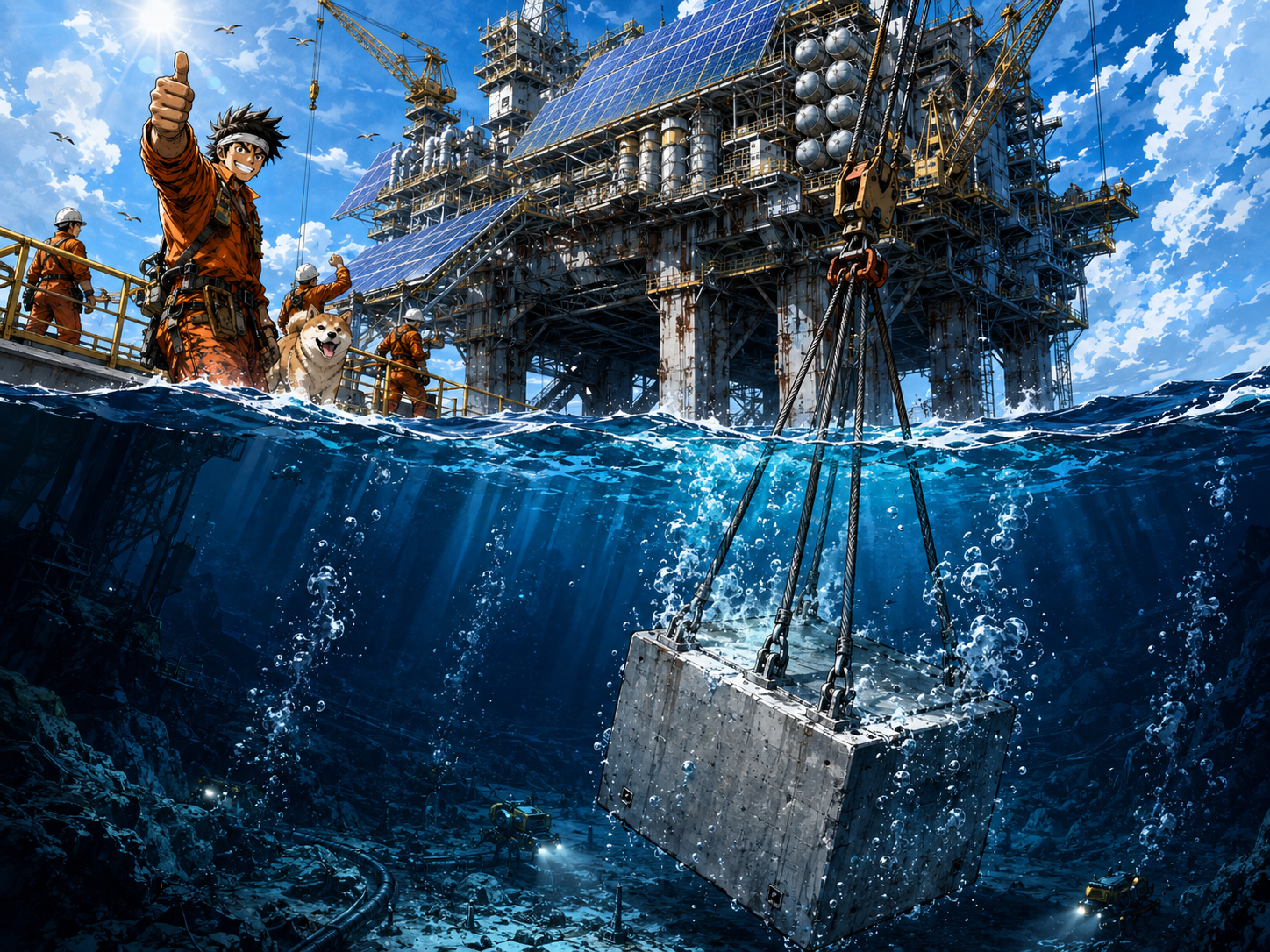
Gravity block being lowered toward the ocean floor
Story beats

The test begins as science and becomes slapstick.

The first gravity block test gives the episode its core rhythm: careful setup, confident speeches, one ignored warning, a sudden splash, and a new respect for procedure.

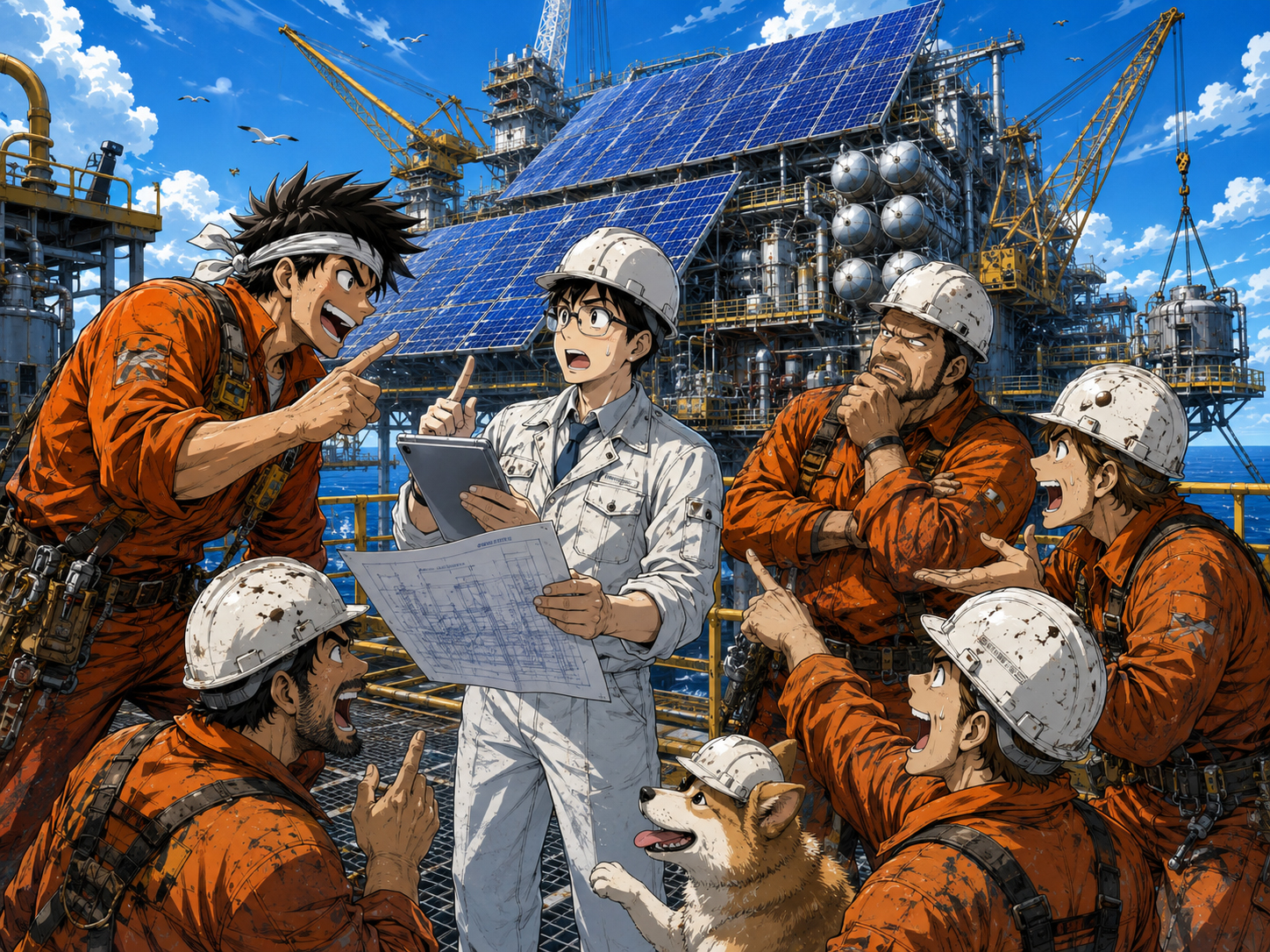
Crew and engineer debating the gravity block test

1. The pre-test argument

The engineer wants final calculations. Solarjack wants a demonstration. The crew wants breakfast before either one wins.

Gravity block lowering into the ocean

2. The block moves

The crane takes the weight. The cable tightens. The block descends through the surface and everyone stops joking for three seconds.

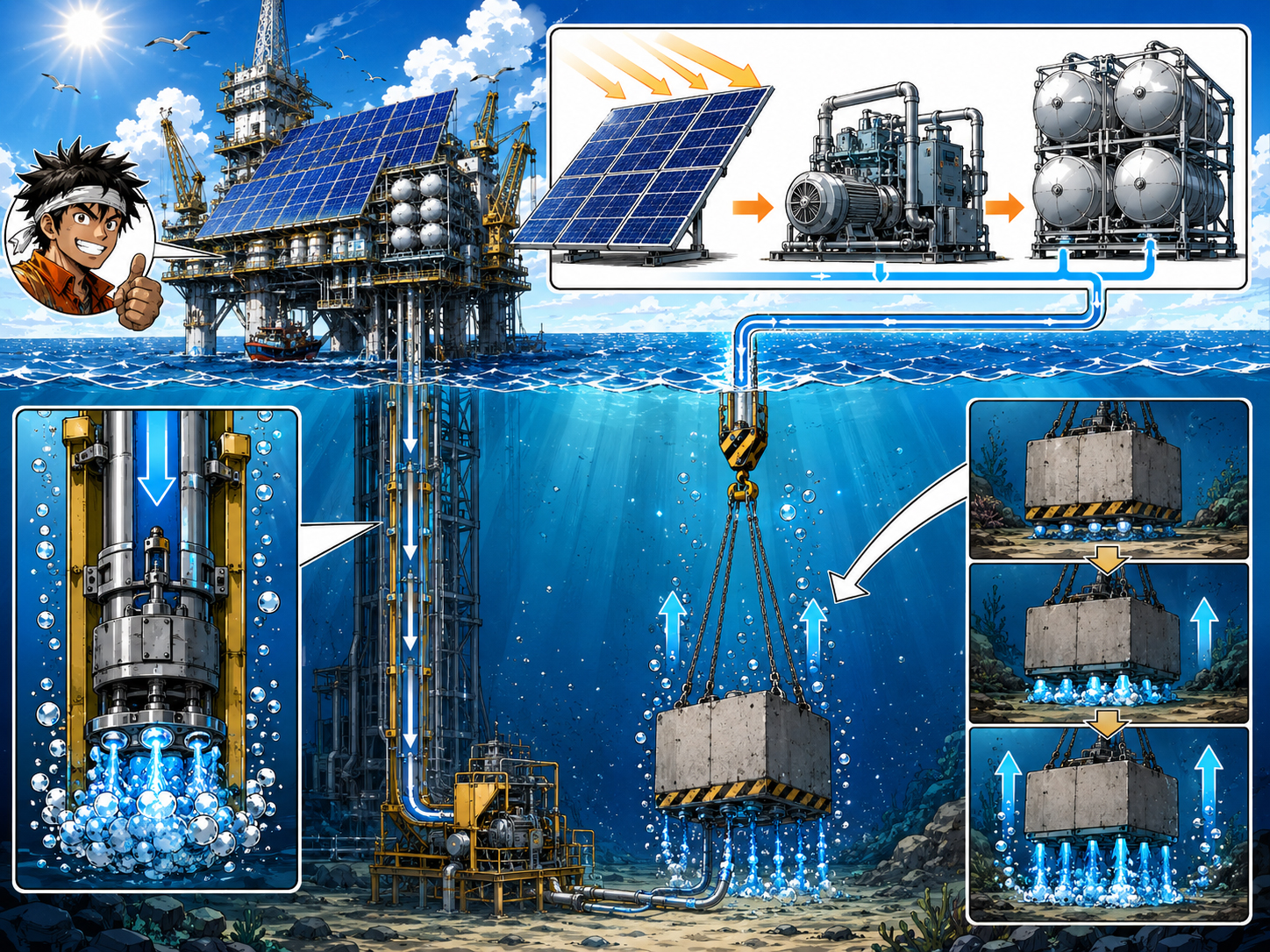
Compressed-air system diagram

3. The air line joins in

Compressed air is supposed to assist recovery. Instead, it produces bubbles with dramatic timing and no respect for dignity.

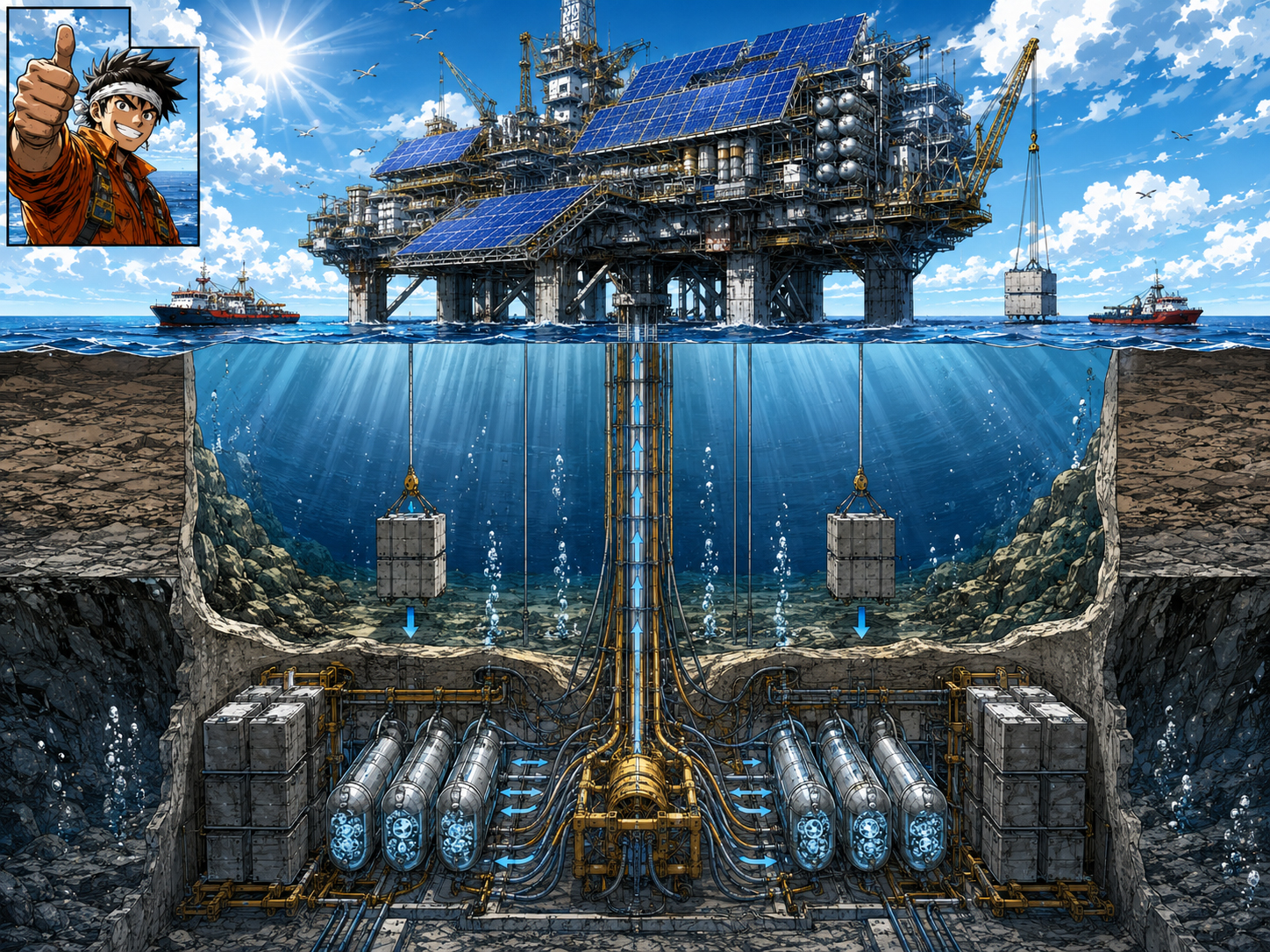
Ocean-floor battery cutaway

4. The ocean looks deeper

The crew suddenly remembers that 2,000 feet is not just a number. It is a long way to retrieve a mistake.

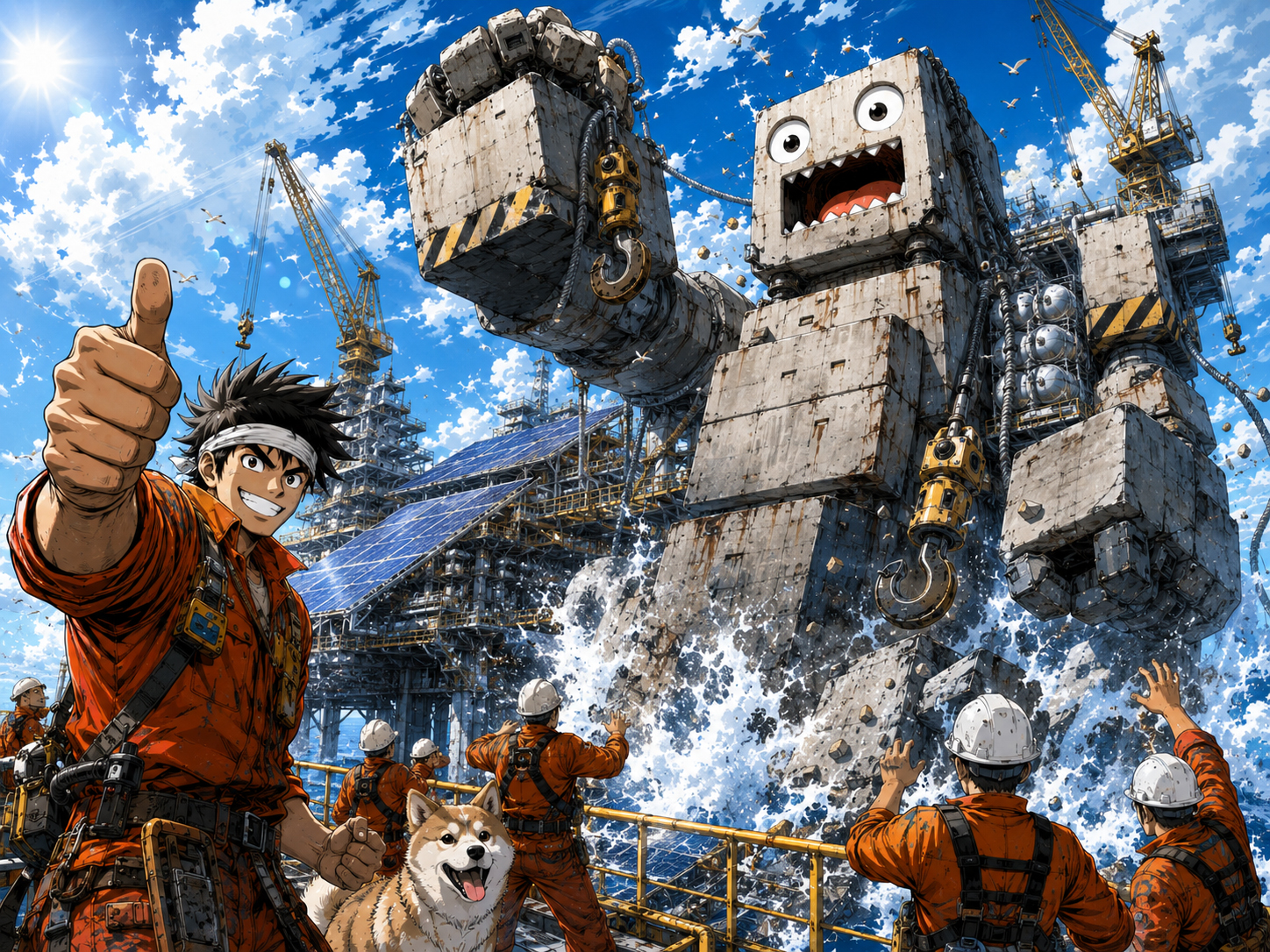
Blockzilla gravity block monster

5. Blockzilla is born

The block lurches, swings, bubbles, and earns a full monster name before the test is even complete.

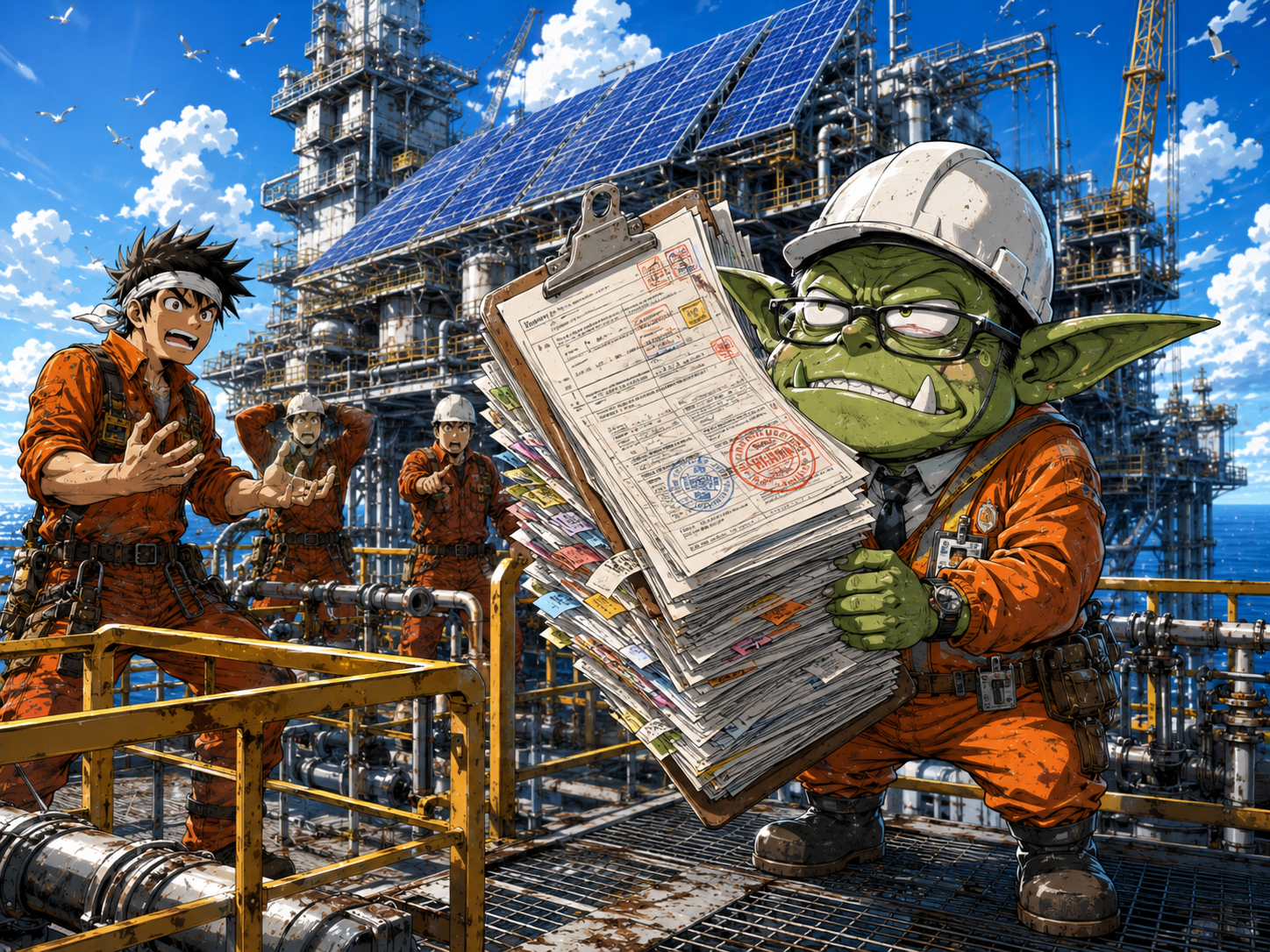
Permit Goblin holding a clipboard

6. The clipboard appears

The Permit Goblin arrives just in time to ask whether “accidental underwater kaiju behavior” was disclosed.

Key scene

The moment gravity stops being theoretical.

“Easy down,” said the engineer. “Heroic down,” said Solarjack. “Wrong down,” said the crane operator.

Episode 2, during the first block descent

The block drops too smoothly.

At first, the system looks perfect. The cable hums. The descent rate holds. Solarjack starts smiling, which causes everyone else to become nervous.

Then the ocean edits the plan.

A current catches the block, the air line coughs, a wall of bubbles rises, and the dog barks at the exact moment the checklist blows into the sea.

Episode script treatment

Scene-by-scene story draft.

Panel 1: The block on deck

The gravity block sits on the platform, enormous, square, and ugly. Someone has painted eyes on it. The engineer is not amused.

Panel 2: The checklist

A safety officer reads from the clipboard: brake system, winch control, cable inspection, air line pressure, recovery path, emergency stop. Solarjack nods as if he has definitely heard all of those words before.

Panel 3: The oil boss calls in

A video call from shore interrupts the test. The oil boss demands to know why a “retired asset” appears to have become a “solar-powered carnival crane.”

Panel 4: The descent begins

The block lowers through the deck opening and into the ocean. The crew leans over the rail. The winch groans. The cable sings.

Panel 5: The first problem

The block begins to rotate. Not fast. Not dangerous yet. Just enough for every professional on the deck to stop breathing.

Panel 6: The bubbles arrive

The compressed-air system activates early. Bubbles explode around the block. The water turns white. Someone yells, “Who gave the block a jacuzzi?”

Panel 7: Blockzilla Junior

Through the bubbles, the painted eyes on the block appear to glare upward. The crew goes silent. Then one roughneck whispers, “Blockzilla.”

Panel 8: Emergency stop

The engineer hits the stop. The block halts. The cable holds. Everyone exhales. Solarjack says, “See? Controlled.” The safety officer throws a pencil at him.

Panel 9: The lesson

The test did not fail. It revealed the next ten things that must be fixed. In engineering, that counts as progress if nobody sinks.
Blockzilla the gravity block monster rising near the Solar Power Rig
Monster moment

The block becomes a character because the test goes wrong just enough.

Blockzilla is born from a very real engineering emotion: when a heavy object moves in a way that surprises the people responsible for it. The comedy turns that panic into a mascot, but the crew understands the lesson immediately.

Character reactions

Everybody learns a different lesson from the same splash.

Solarjack on the offshore platform
Solarjack

He calls it a successful test.

His definition of success includes “nobody died” and “we learned something loud.”

Roughneck crew arguing with a solar engineer
The engineer

She calls it useful data.

She writes down twelve corrections while giving Solarjack the look that can bend steel.

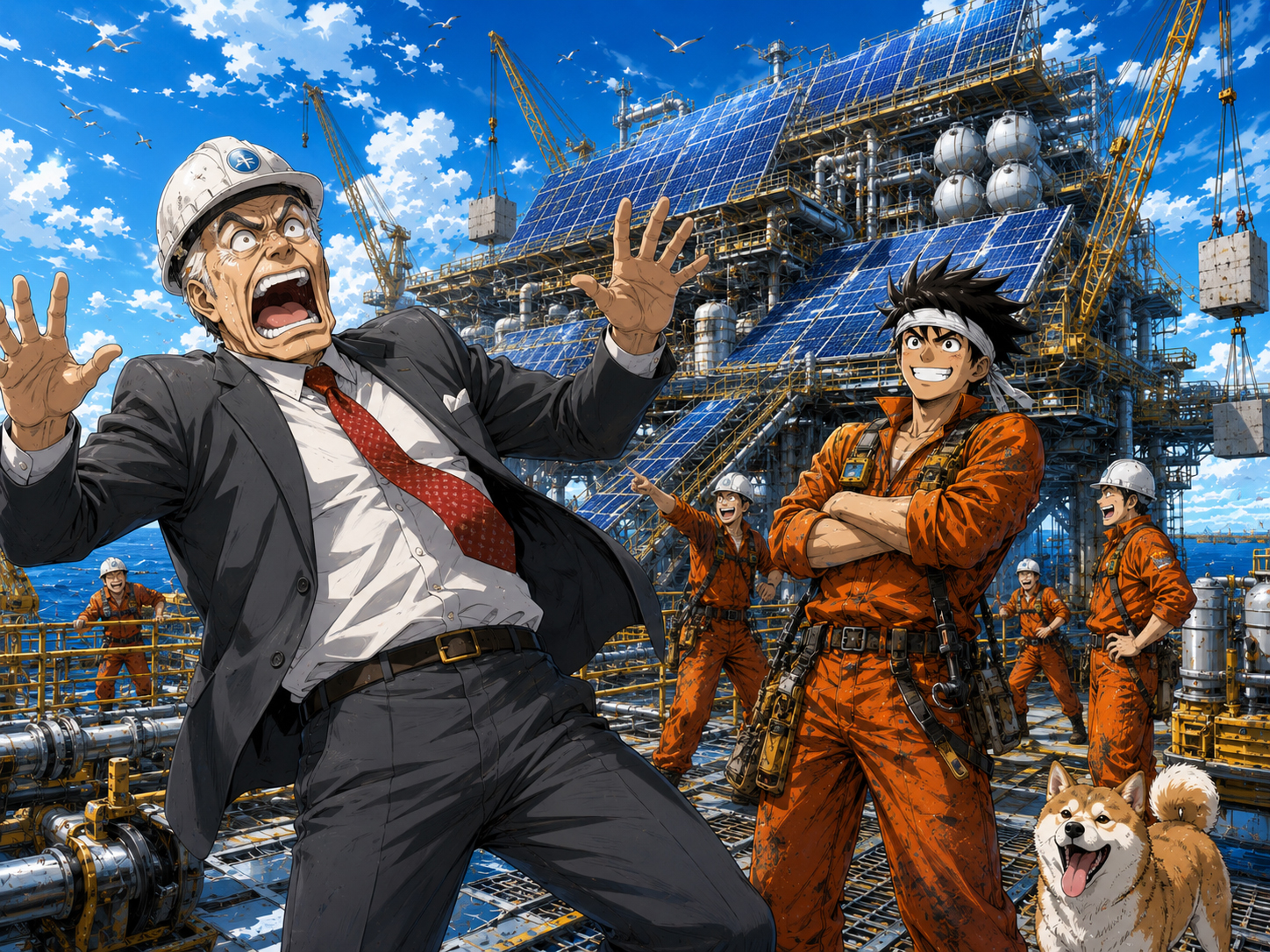
Oil boss panicking on the Solar Power Rig
The oil boss

He calls legal.

The video feed freezes on his face at the exact moment the bubbles erupt.

Permit Goblin with offshore clipboard
Permit Goblin

He calls it Exhibit A.

He adds a new section to the clipboard: “Unexpected Aquatic Block Behavior.”

The actual engineering lesson

The first test does exactly what first tests are supposed to do.

It exposes assumptions.

The crew learns that currents, cable angle, block rotation, air timing, and recovery control matter more than the beautiful drawing suggested.

It creates the next checklist.

After the test, nobody says the idea is impossible. They say the controls need work. That is how the rig moves from comedy toward a machine.

Closing scene

The block is back on deck. The crew is soaked. The idea is still alive.

By the end of the day, the gravity block hangs above the deck, dripping seawater like a guilty refrigerator. The painted eyes are smeared. The checklist is gone. The dog has adopted the block as an enemy.

The engineer has a new control sequence. The crane operator has a new respect for lateral current. The safety officer has a new headache. The Permit Goblin has a new folder.

Solarjack looks at the block and grins.

“Next time,” he says, “we make it boring.”

Everyone agrees. Nobody believes him.

Episode takeaway

The first gravity test proves the most important rule: storage needs control.

Solar panels can collect energy. Heavy blocks can store potential energy. But without controls, brakes, sensors, procedures, and recovery planning, energy storage becomes chaos with better branding.

The first drop went wrong. That is why it worked.

Continue the Solar Power Rig story with the compressed-air episode, where pressure, bubbles, and recovery controls become the next battlefield.

Next Episode