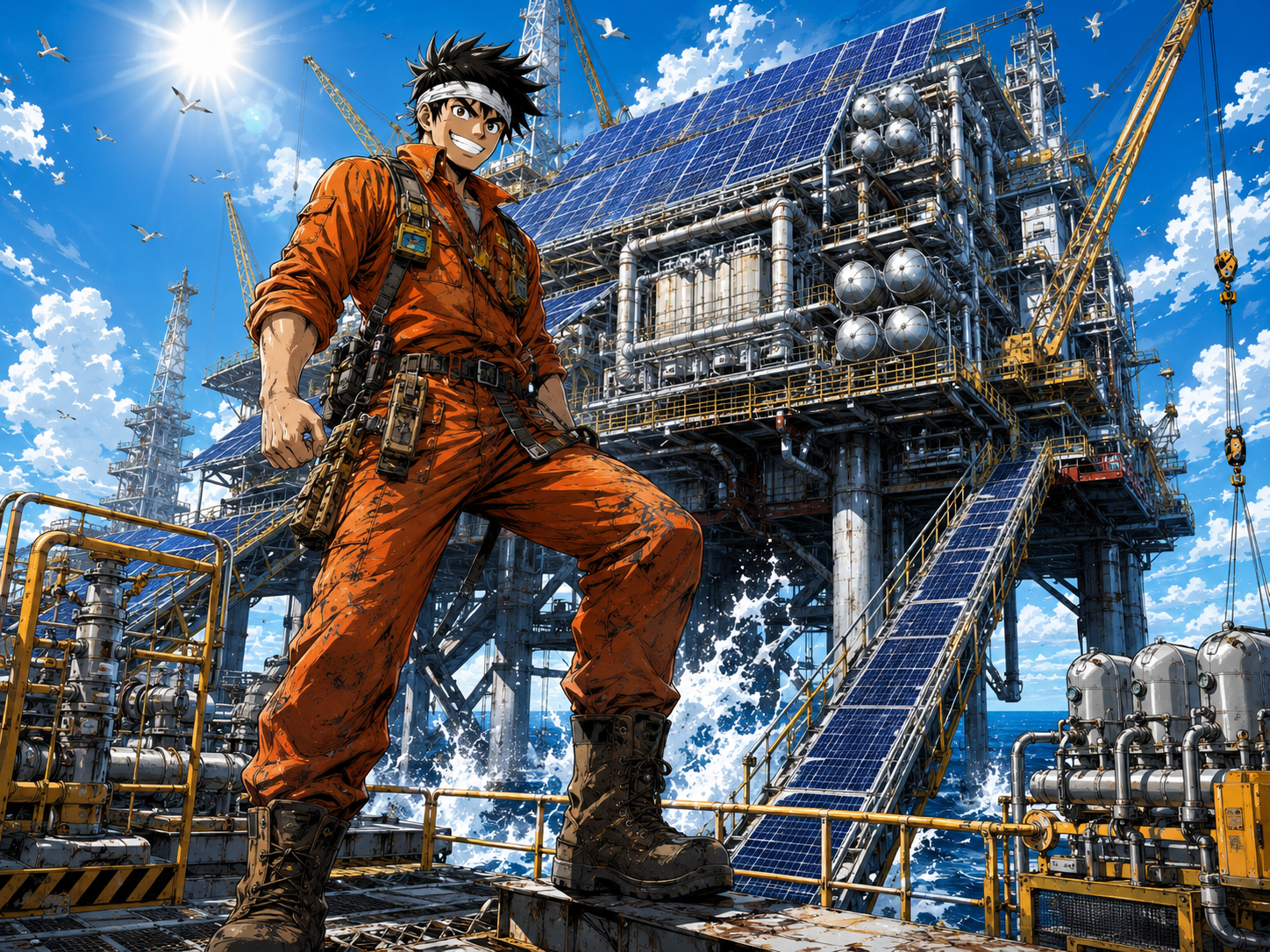
Episode 3 Pressure meets pride

Compressed Air and Bad Attitudes

The gravity block test created bubbles, arguments, and questions. Now the crew fights over whether compressed air can actually help beat oil — or whether Solarjack has invented underwater nonsense with tanks.

Opening scene

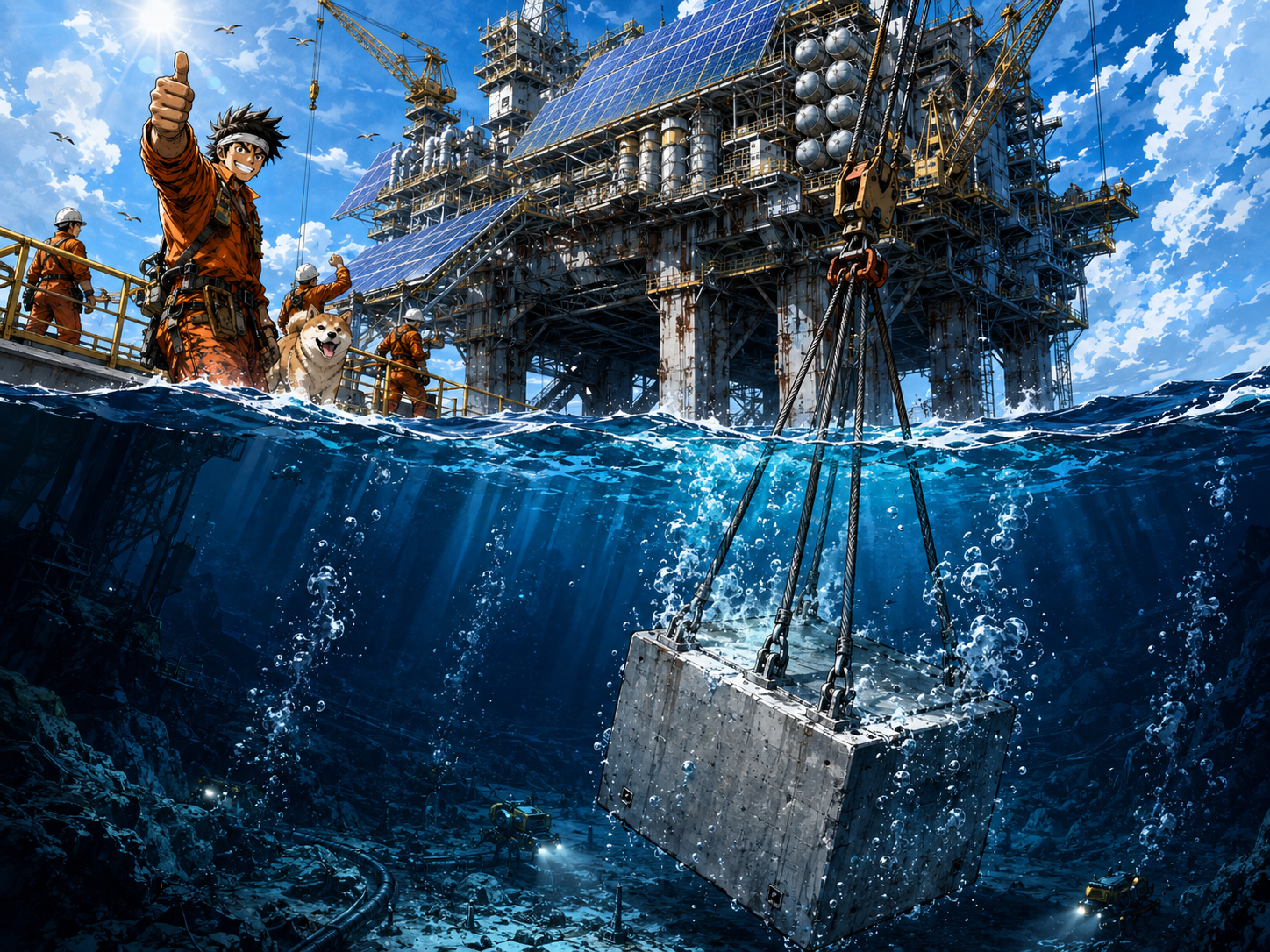
The block came back up. The crew did not calm down.

The first gravity block test had ended without sinking the rig, which Solarjack considered a technical success. The engineer considered it a controlled warning. The safety officer considered it a personal attack.

Now the giant block sat back on deck, dripping seawater and humiliation. The compressed-air system had fired early, blasted bubbles everywhere, and turned a simple descent test into a wet argument with better lighting.

Solarjack slapped a pressure tank with the confidence of a man who had not read enough manuals.

“This,” he said, “is how air beats oil.”

The crew stared at him.

One roughneck finally said, “Air does not even beat a sandwich bag unless you squeeze it.”

The fight

Can air beat oil?

The episode turns a technical idea into a roughneck argument. Solarjack believes compressed air can store useful force, help lift underwater equipment, recover the gravity block, and prove that the old rig can work without drilling. The crew wants numbers, valves, pressure ratings, and proof that the system will not become a giant bubble prank.

Pressure tanks Air lines Lift assist Recovery system Valve sequence Bad attitudes
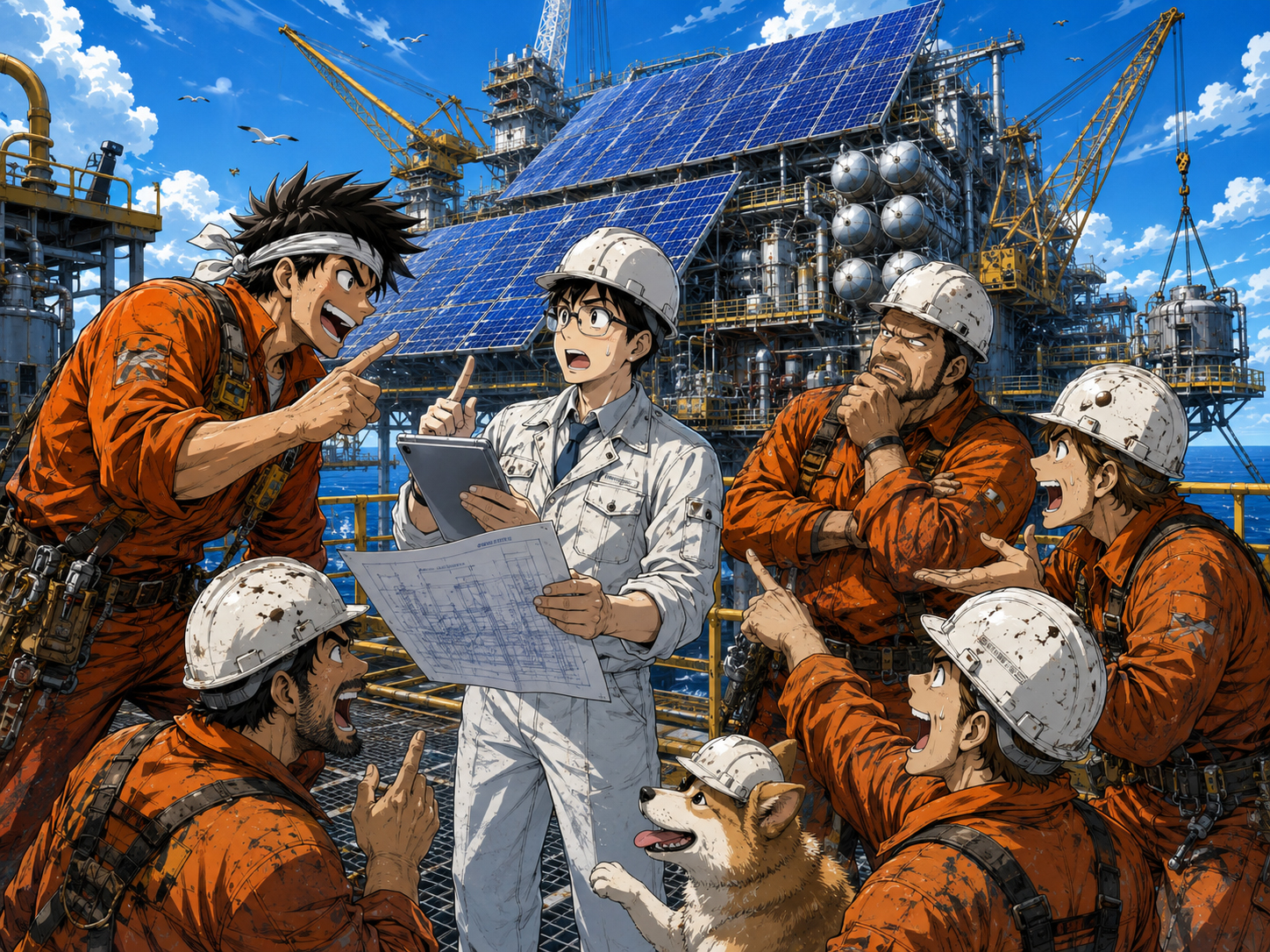
Roughneck crew arguing with a solar engineer about the Solar Power Rig system
Story beats

The episode turns pressure into comedy.

Episode 3 is where the crew learns that compressed air is not magic. It is a tool. A useful tool. A dangerous tool. A tool that makes loud noises when Solarjack is too confident.

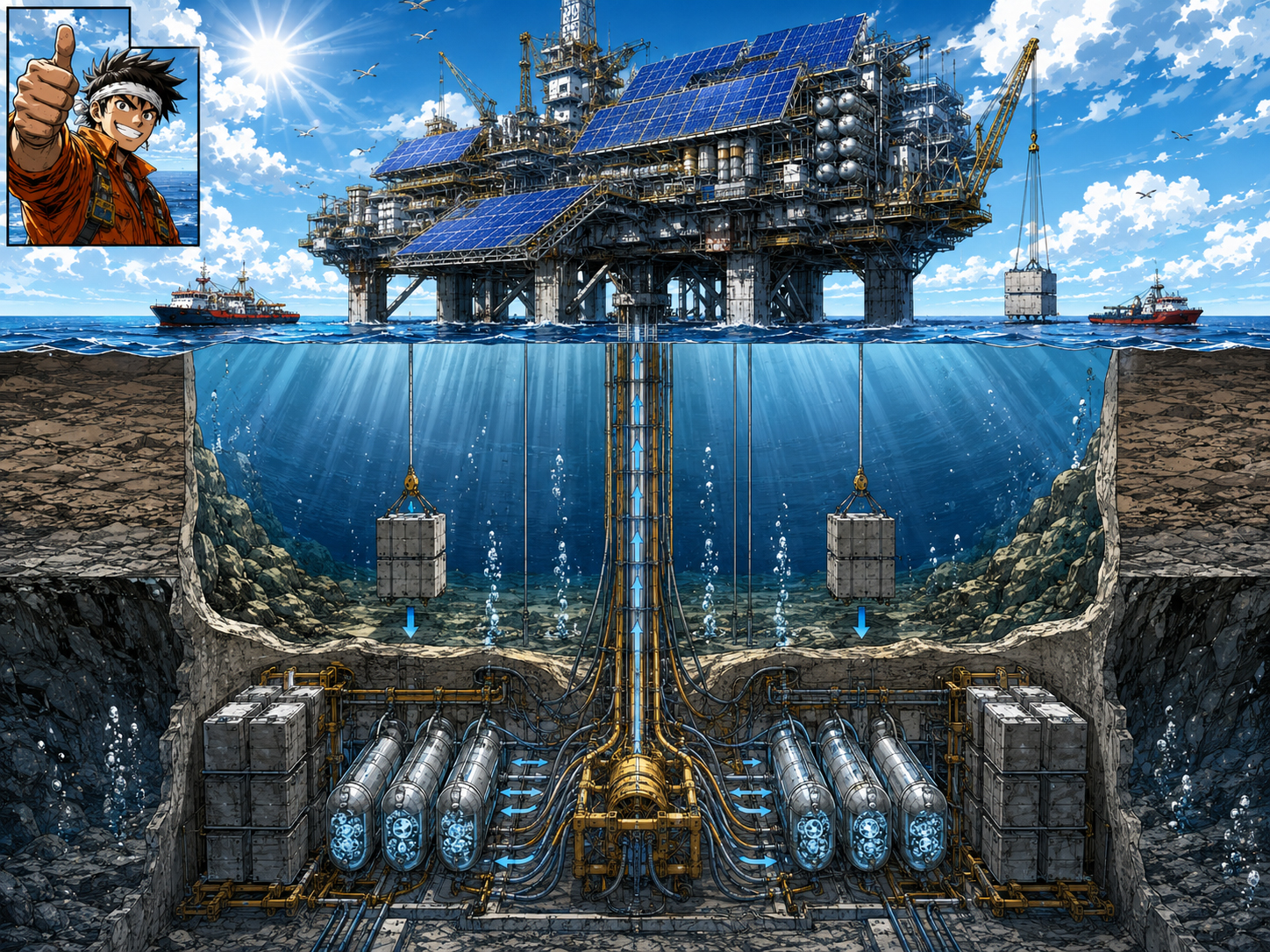
Compressed-air lift system diagram

1. The system is explained

Solar panels power compressors. Compressors fill tanks. Tanks feed air lines. Air lines help with lift and recovery.

Roughneck crew debating with a solar engineer

2. The crew objects

The roughnecks understand pressure. That is exactly why they do not trust anyone who explains it too casually.

Gravity block lowering into deep water

3. The block needs recovery

Gravity can bring the block down. The hard part is controlled recovery, resetting, stabilizing, and doing it again safely.

Ocean-floor battery cutaway system

4. The ocean complicates everything

Deep water adds current, pressure, drag, corrosion, and enough uncertainty to make every simple explanation suspicious.

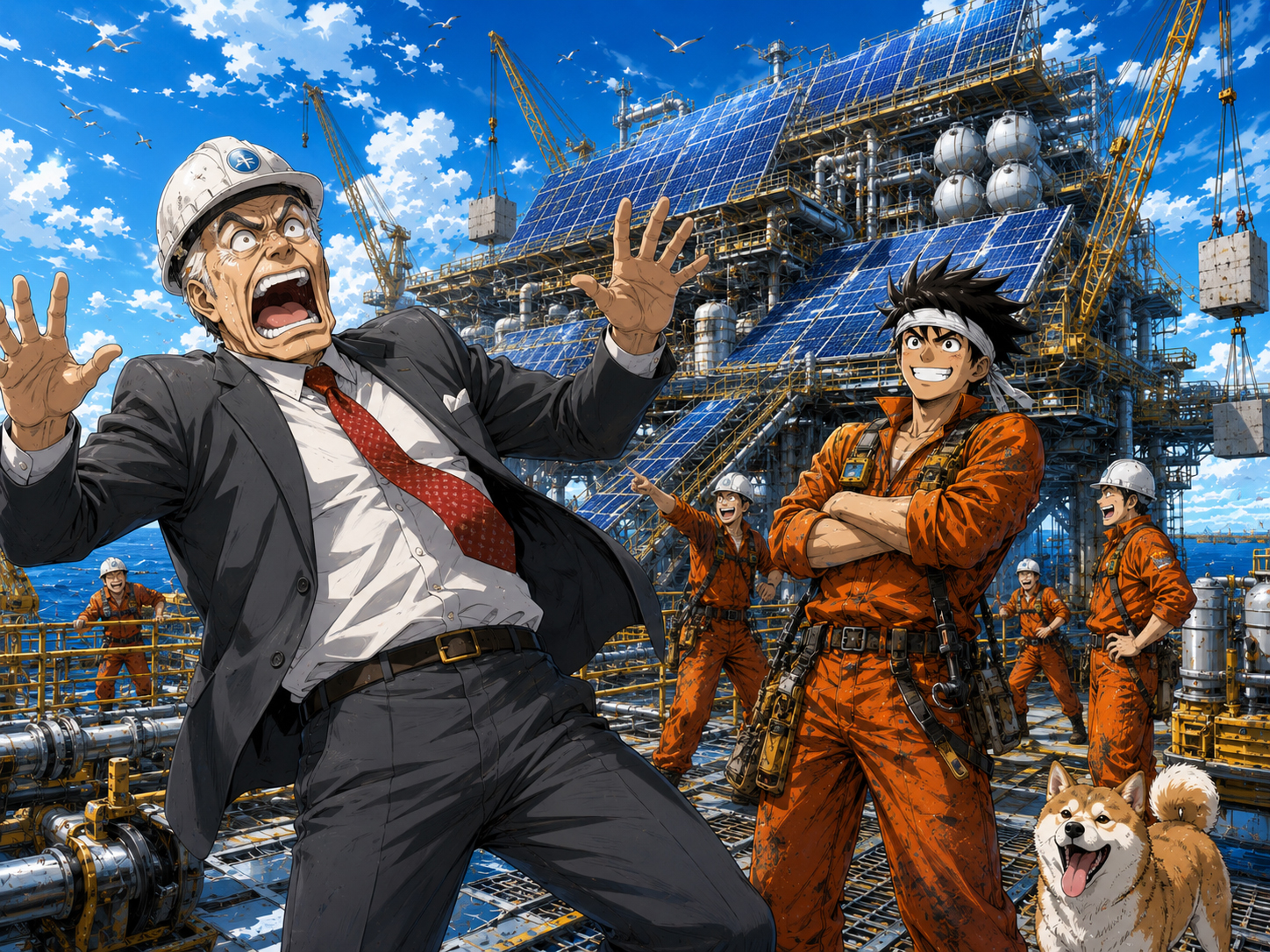
Oil boss panicking on the solar rig

5. The oil boss hates the phrase

“Air beats oil” becomes the slogan that makes management panic and the crew argue even harder.

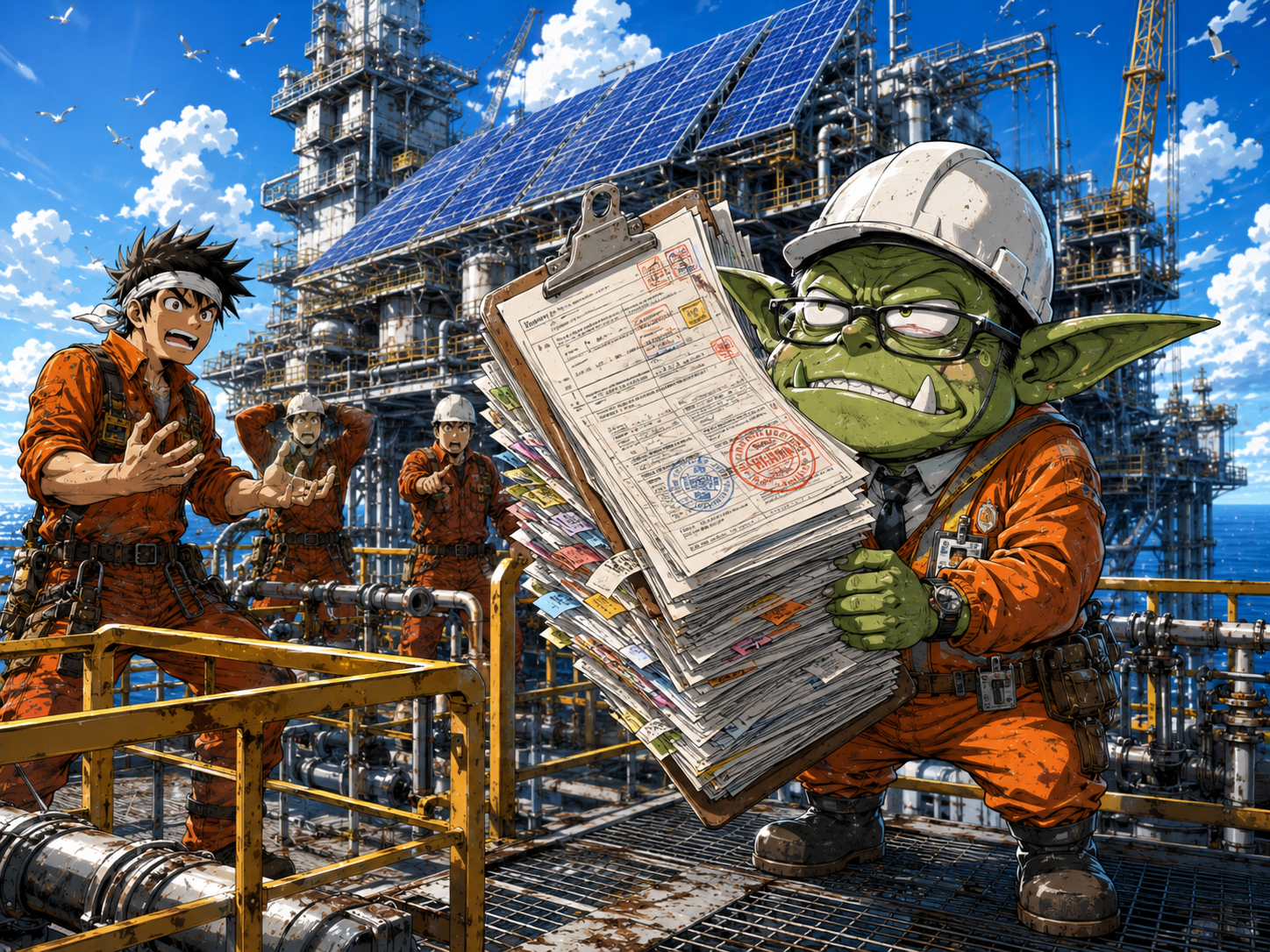
Permit Goblin with offshore clipboard

6. The Permit Goblin smells pressure

The moment compressed air enters the story, the clipboard grows three new sections and a warning sticker.

Key scene

Solarjack gives compressed air a personality.

“Pressure is just ambition in a tank,” said Solarjack. “That is not a design standard,” said the engineer.

Episode 3, immediately before the argument became useful

The crew hears trouble.

To people who work around pressure vessels, valves, and hoses, casual optimism sounds like a siren.

The engineer hears a teaching moment.

She explains that compressed air can be useful only if the system has ratings, relief valves, sequencing, sensors, redundancy, and discipline.

Episode script treatment

Scene-by-scene story draft.

Panel 1: The wet block

The gravity block hangs over the deck, dripping seawater. The painted monster eyes have smeared. Solarjack calls it “field testing.” The engineer calls it “evidence.”

Panel 2: The pressure tanks

Solarjack leads the crew to the compressed-air bank. The tanks gleam in the morning sun. Someone says, “Looks expensive.” Someone else says, “Looks like paperwork.”

Panel 3: The argument begins

Solarjack claims compressed air can help recover the block. A roughneck asks whether the air knows it has been promoted.

Panel 4: The engineer draws the cycle

The engineer sketches the system: solar panels, compressors, pressure storage, valves, underwater lines, lift assist, recovery, and controls.

Panel 5: The bad slogan

Solarjack says, “Air beats oil.” The deck goes silent. The oil boss, watching remotely, makes a sound that legally counts as a financial alarm.

Panel 6: The small demonstration

The crew tests a small lift chamber. A perfect stream of bubbles rises. Everyone relaxes. Then a valve honks like an angry goose.

Panel 7: The crew laughs

The roughnecks laugh for the first time since the gravity block test. The engineer does not laugh, but she does write down, “replace valve.”

Panel 8: The useful correction

The crew starts suggesting real improvements: better hose routing, clearer gauges, labeled valves, emergency venting, and a recovery checklist nobody can ignore.

Panel 9: The attitude changes

The crew still does not trust the system. But now they are improving it. That is the moment Solarjack knows the idea has survived.
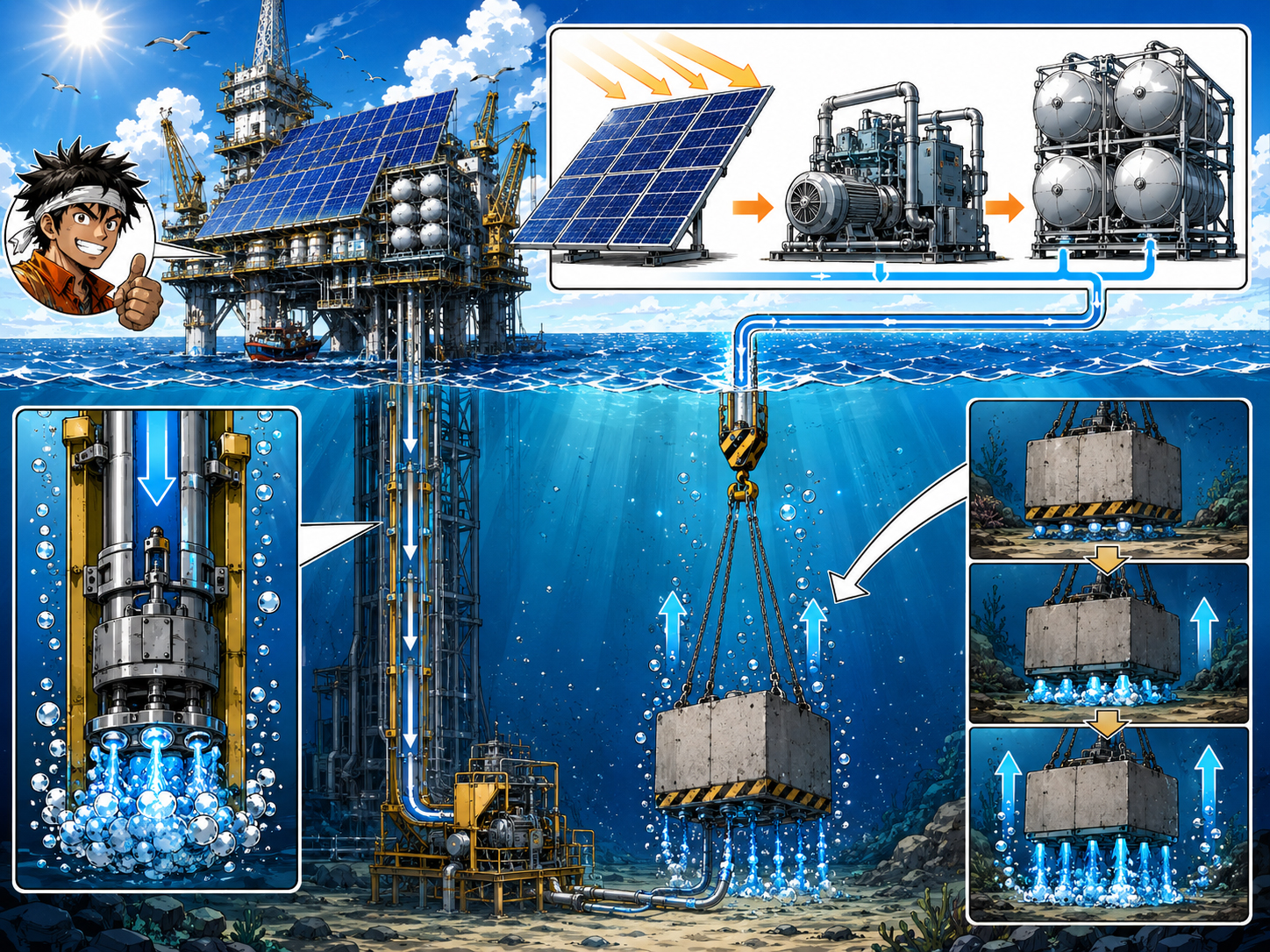
Solar Power Rig compressed-air recovery and lift system diagram
The actual machine idea

Air does not beat oil by itself. A system does.

The episode makes the important point: compressed air is not a miracle. It is one part of a controlled system. Solar panels provide power. Compressors create pressure. Tanks store it. Valves release it. Sensors watch it. The crew keeps it from becoming a headline.

Character reactions

Everyone has an attitude about pressure.

Solarjack on the Solar Power Rig
Solarjack

He sees stored force.

To him, compressed air is sunlight turned into muscle. He is almost right, which is the dangerous part.

Crew and engineer debating pressure system
The engineer

She sees pressure ratings.

She knows the system can work only if every tank, valve, hose, relief device, and sequence is respected.

Oil boss panic on solar rig
The oil boss

He sees brand damage.

The phrase “air beats oil” appears on a roughneck’s lunchbox by the end of the day.

Permit Goblin offshore clipboard
Permit Goblin

He sees pressure paperwork.

His clipboard now includes a subsection titled “No, Bubbles Are Not a Control Strategy.”

The serious lesson

Pressure is storage only after it becomes controlled equipment.

Useful pressure

Compressed air can help tell a storage story because it turns electricity into force that can be released later through a controlled system.

Dangerous pressure

Uncontrolled pressure is not storage. It is risk. The episode makes that difference funny without pretending it is simple.

Closing scene

The crew does not believe air can beat oil. But they do believe the system can get better.

By sunset, the pressure tanks are labeled. The valves are mapped. The air line has a new bracket. The engineer has a revised sequence. The safety officer has a longer checklist. The roughnecks have a new joke.

Solarjack stands by the railing and watches the bubbles fade from the water below.

“Still think air can beat oil?” the crane operator asks.

Solarjack looks at the old rig, the solar panels, the tanks, the cables, and the ocean.

“Not air,” he says. “Us.”

Episode takeaway

The argument becomes the engineering process.

Episode 3 is not about a miracle tank. It is about the crew learning to turn skepticism into design improvement. Bad attitudes save lives when they force better controls, better labels, better procedures, and better systems.

Compressed air did not win the argument. It earned another test.

Continue to the next episode, where the oil boss visits the platform and realizes the roughnecks may have built a machine that changes the story.

Next Episode